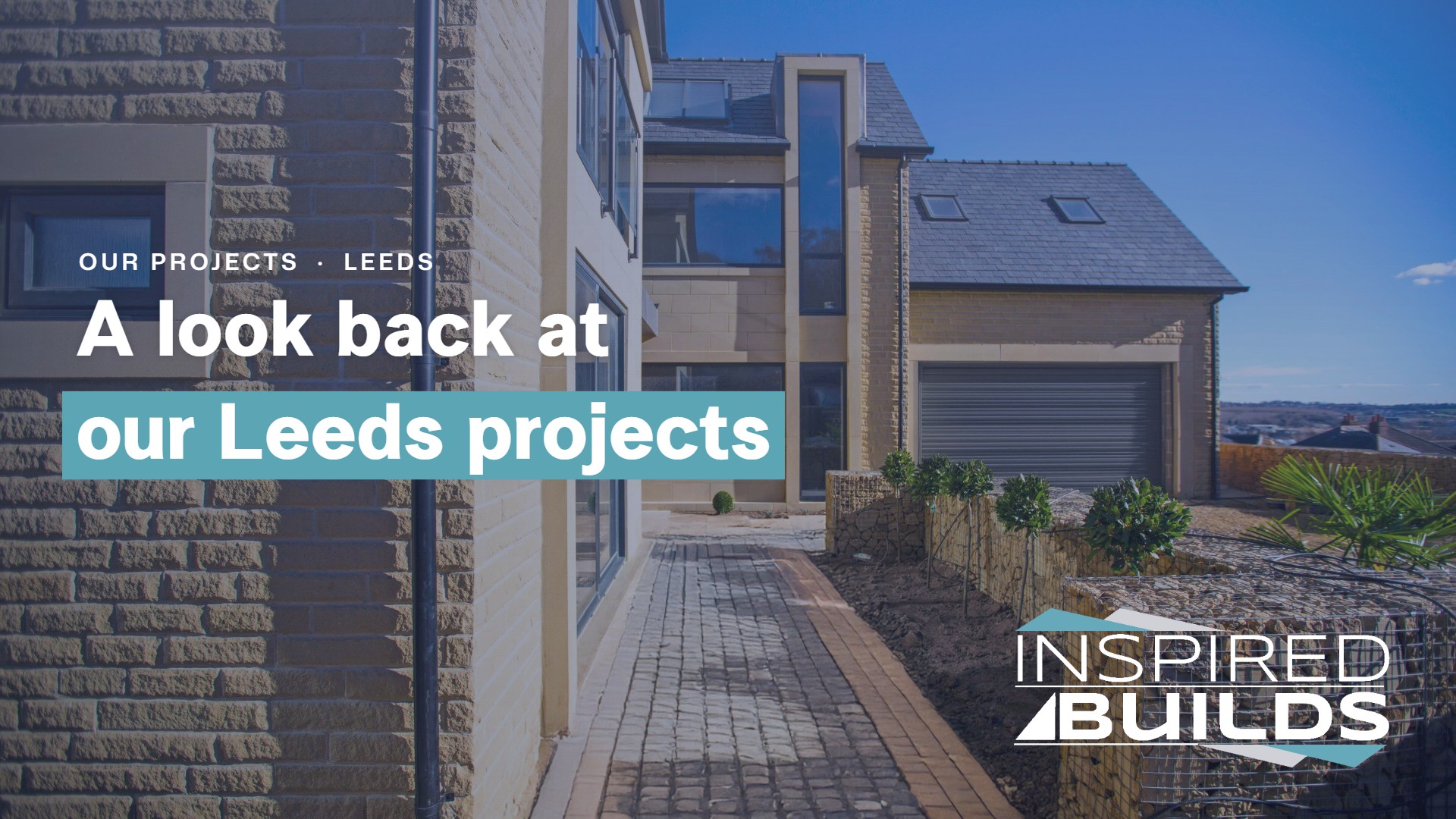
Most of the homes we work on in Leeds were built long before anyone worried about energy bills. Making them warm, comfortable and cheap to run is very achievable, but the order you do things in matters as much as what you do.
Here is the sequence we follow on sustainable renovations across Leeds and Yorkshire.
1. Start with a plan for the whole house
You do not have to do everything at once, but you should know where you are heading. Insulating walls before fixing ventilation, or fitting a heat pump before the house is insulated, can lead to wasted money or damp problems. A whole-house plan lets each stage build on the last.
2. Fabric first
Reducing heat loss is the foundation of any sustainable renovation. That means insulating roofs, walls and floors to a good standard, and dealing with cold spots where heat bridges out through the structure. On older stone homes the insulation needs to be breathable, so moisture can still move through the wall.
3. Airtightness
Draughts waste a lot of heat. Sealing gaps around windows, floors, service pipes and loft hatches makes a home noticeably more comfortable. Once a house is properly airtight, though, it needs good ventilation.
4. Windows and doors
High-performance windows, carefully fitted and taped into the airtight layer, make a big difference. In conservation areas there are good options too, including timber sash windows built to Passivhaus standards, which we are using at Oak Road in North Leeds.
5. Ventilation
Mechanical ventilation with heat recovery (MVHR) supplies fresh, filtered air while keeping the warmth in. Where MVHR is not practical, a well-designed extract and fresh air strategy is the minimum.
6. Then heating and renewables
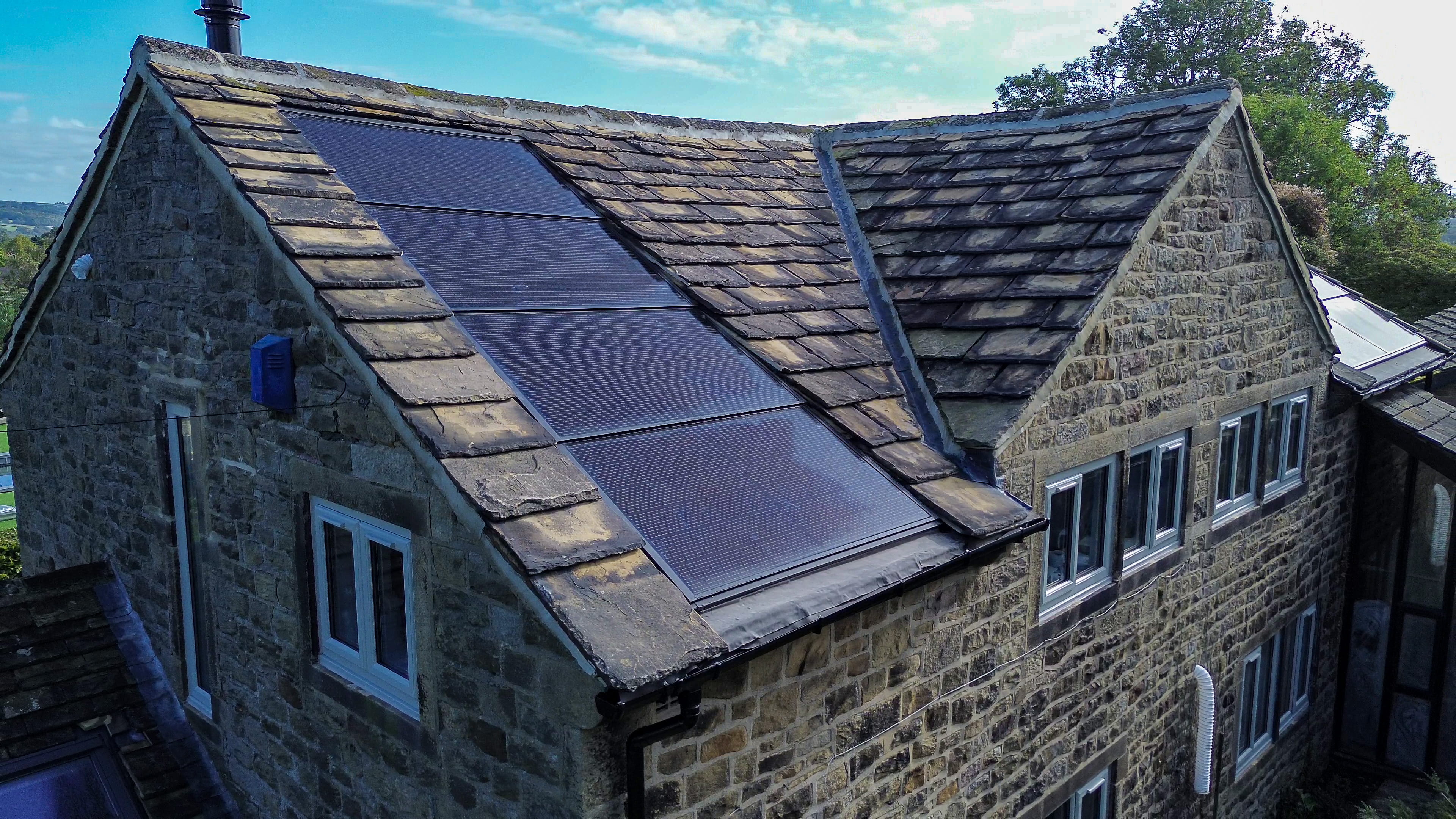
Once heat demand is low, an air source heat pump can heat the home efficiently, and solar PV can cover part of the electricity. At Hollin Nook Cottage in Ilkley we added solar panels and an air source heat pump as part of a full reconfiguration and extension.
Sustainable materials
Where we can, we choose materials that are kinder to the building and the environment, such as hemp insulation, reclaimed stone and timber from responsibly managed sources. On older buildings, lime mortar instead of cement helps walls stay dry, as on our 300-year-old North Yorkshire home.
Going further
If you want to aim for the Passive House retrofit standard, read is your Leeds home ready for an EnerPHit retrofit? Otherwise, get in touch to talk about your home, or see our renovation and refurbishment work in Leeds.